Contents 5 sections
Stock is everything a business holds in order to sell, produce or provide services: products, raw materials and supplies. Goods in the warehouse, items on the shelf and raw materials to be used in production all count as stock.
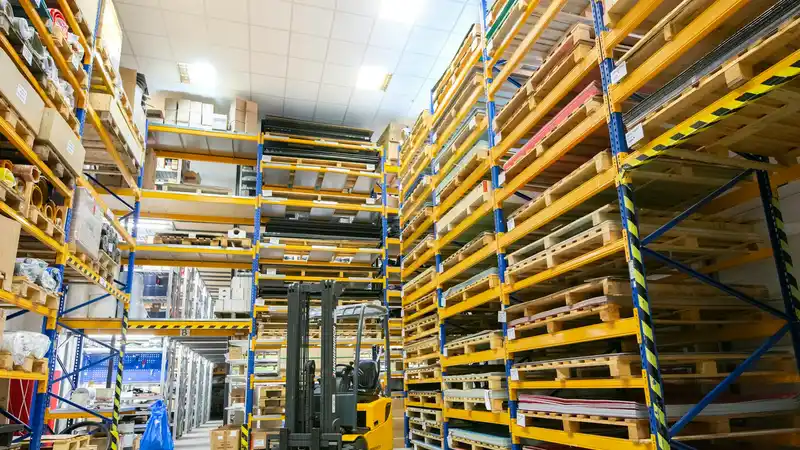
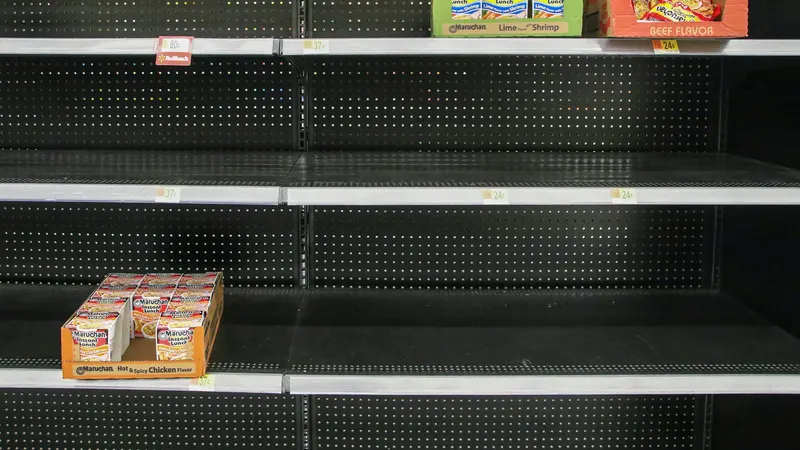
Stock is critical for a business to keep running without interruption. Without enough stock, sales can stop, production can stall and customer satisfaction drops. When too much stock is held, capital sits idle in the warehouse, cash flow weakens and costs rise.
For this reason, stock is not just a storage matter; it is a strategic element directly tied to profitability, customer satisfaction and business continuity.
What Does Inventory Tracking Mean?
Inventory tracking is the process of regularly monitoring when products, raw materials and supplies come in, when they go out and how much is currently on hand. With it, a business can see its stock position clearly at any moment.
The main goals of inventory tracking are to prevent products from running out, to avoid the costs of holding excess stock, and to keep sales running without interruption. Done correctly, it shows how quickly each product sells out, which ones move slowly and when to reorder.
Inventory tracking is also not limited to the warehouse. It is directly connected to sales, purchasing, production and accounting. For this reason, it plays a critical role in keeping daily operations running smoothly and protecting profitability over the long term.
Benefits of Inventory Tracking for SMEs
For SMEs, inventory tracking directly affects profitability and sustainability. With proper inventory management, products are neither short nor in excess, which both prevents lost sales and reduces unnecessary costs.
Businesses that track inventory can easily see how quickly each product sells out. This lets them source the right product at the right time and respond quickly to customer demand. Slow-moving products that sit in the warehouse for a long time can also be identified, so resources are used more efficiently.
Regular inventory tracking also has a positive effect on cash flow. Capital does not sit idle in the warehouse, and payment plans can be made on a sounder basis. Clear stock information also supports more accurate pricing, campaign planning and purchasing decisions.
In short, inventory tracking saves time, money and resources, helping SMEs grow in a more controlled, orderly and profitable way.
How to Track Inventory
Inventory tracking is done by regularly recording product inflows and outflows and continuously checking the stock position. For this process to work well, certain steps must be applied consistently.
First, all products in the business are counted and recorded systematically. Basic details such as name, code, category, unit price and current quantity are created for each product. These records make it possible to track stock movements accurately.
Purchased products are added to stock, and products sold or used are deducted. The faster and more accurately these entries are made, the more reliable the stock data becomes. At regular intervals, a stock count is performed and the system data is compared with the physical situation to identify any differences.
Inventory tracking can be done with manual methods or managed using digital tools and software. As the number of products grows and sales channels multiply, digital methods both save time and reduce the risk of errors.
For effective inventory tracking, stock levels should be monitored regularly, delivery times taken into account, and new orders planned before they are needed. This way, the business can keep operating without stock-related problems.
Manual or Digital Inventory Tracking?
Manual inventory tracking means recording products by hand using tools such as a ledger, receipts or Excel. It can be enough at the start for businesses with few products and low sales volume. However, keeping records by hand increases the risk of errors over time and makes it harder to keep data up to date.
Digital inventory tracking, on the other hand, monitors stock movements automatically through software or applications. When a sale is made, stock is deducted automatically; when a product is received, stock increases. This keeps stock information up to date in real time and reduces human error.
As the business grows, product variety increases and multiple sales channels are used, manual methods fall short. Digital inventory tracking saves time, offers reporting and helps you make sounder decisions.
In short, while manual methods can be a temporary solution for small and new businesses, digital inventory tracking is a safer and more efficient approach for sustainable, controlled inventory management.
Which Inventory Data Should Be Tracked Regularly?
For healthy inventory management, some key data must be tracked regularly. This data supports sound purchasing decisions and helps prevent stock-related problems.
First, the quantity on hand should be monitored. Knowing how much of each product is left is the foundation of sales and production planning. In addition, a reorder level should be set for each product, and a new order should be planned as that level is approached.
Sales velocity by product is another important metric. Seeing which products sell fast and which move slowly makes campaign, pricing and restocking decisions easier. Inventory turnover, which shows how long it takes for products to sell and be replaced with new ones, also helps measure inventory efficiency.
Supply lead time is another metric that should be tracked regularly. Knowing how long it takes from ordering a product to receiving it ensures stock is replenished before it runs out.
Tracking this data regularly makes inventory management more controlled, predictable and sustainable.
How to Determine the Reorder Level
The reorder level is the minimum quantity of a product that should be in stock. Below this level there is a risk of the product running out, and sales or production can be disrupted. For this reason, setting the reorder level correctly is very important.
When setting this level, the product’s sales velocity should be considered first. You need to know how much is sold daily or weekly. Next, calculate the time from placing an order to receiving the product. These two figures show how many units will be sold before the product is replenished.
In addition, a safety margin should be left for demand increases, supply delays or unexpected situations. This margin prevents stock from running out completely and gives the business flexibility.
A correctly set reorder level both prevents lost sales and avoids creating an unnecessary stock burden. This makes inventory management more balanced and controlled.
We recommend readingHow Do You Transfer Stock Between Warehouses?How to Do a Stock Count
A stock count is the process of physically counting the products in your warehouse and comparing the result with the records in your system. It should be done regularly to verify the accuracy of your stock data and to detect possible errors.
Before the count, review the shelves, product labels and the layout of the area. Once any confusion is cleared up, the count is faster and error-free. If possible, sales, shipping and goods-receiving operations should be paused temporarily during the count.
Products are counted one by one and recorded with their product code, name and quantity. When the count is finished, this data is compared with the records in the system. If there are differences, the causes are investigated and the necessary corrections are made.
When stock counts are done at regular intervals, product losses are prevented, stock errors decrease and the business can make sounder decisions.
What to Consider When Choosing Inventory Tracking Software
When choosing inventory tracking software, you need to pay attention to several key criteria in order to find a solution that meets your business's needs.
First of all, the software should be easy to use. When employees can adapt quickly, wasted time and training needs are reduced. The interface should be clean and clear, and tracking stock movements should not require complicated steps.
Integration with other software or tools is an important factor. A solution that works seamlessly with systems such as sales, purchasing, e-invoicing, e-archive or e-commerce keeps stock data up to date on every channel at the same time. This minimizes stock errors.
Real-time data lets you monitor stock levels instantly. Up-to-date data makes it easier to make the right decisions and reduces the risk of stockouts. The software's reporting capabilities are also valuable; analyses such as sales trends, critical stock levels and stock turnover rate help improve the performance of the business.
Mobile access support offers practical use for teams in the warehouse or at different locations. Strong technical support and the ability to get a quick solution when needed are also important for keeping business processes running without interruption.
All these features make stock management more controlled, more efficient and better suited to your business's specific needs. When your needs are defined correctly, inventory tracking software contributes directly to the growth of your business.
How to Manage Cash Flow with Inventory Tracking
Inventory tracking plays a direct role in managing cash flow in a healthy way. This is because stock means the business's money sitting in the warehouse in the form of products. Stock that is not managed properly ties up cash unnecessarily or causes lost sales because products are unavailable.
Thanks to inventory tracking, it becomes clear which products sell quickly and which sit in the warehouse for a long time. With this information, you buy only as much as you need and capital is not tied up in unnecessary stock. As a result, cash can be used in more productive areas.
In addition, by setting critical stock levels, products are ordered before they run out. This keeps sales from being interrupted and also prevents sudden, unplanned purchases. Planned purchasing preserves payment balances and reduces the financial burden.
When regular stock data is evaluated together with budget planning and payment tracking, the business's income-expense balance is established more soundly. As a result, inventory tracking supports the financial sustainability of the business by keeping cash flow under control.
Common Mistakes in Inventory Tracking
Some mistakes made in inventory tracking can cause businesses to lose time, money and customers. Being aware of these mistakes helps you build healthier stock management.
One of the most common mistakes is not keeping stock records up to date. When products sold or received are not entered into the system on time, stock information fails to reflect reality. This leads to wrong purchasing and sales decisions.
Another mistake is not defining a critical stock level. If no action is taken before products run out, sales are lost. Likewise, keeping more stock than necessary hurts cash flow and increases storage costs.
Not doing regular stock counts is also a serious problem. When the physical count is not compared with system records, losses, errors or mix-ups go unnoticed.
Furthermore, stock planning done without considering sales velocity and changes in demand ends up either with products being unavailable or with idle stock piling up. All of these mistakes can easily be avoided with regular tracking and the right methods.
Practical Inventory Tracking Methods for Small Businesses
For small businesses, inventory tracking can be done effectively without complicated systems. What matters is keeping regular records, keeping the data up to date and keeping the process as simple as possible.
At the start, stock entries and exits can be recorded with tools such as a notebook, Excel or Google Sheets. Creating an orderly table with basic details such as product name, quantity, entry date and exit date helps you keep stock under control.
As the number of products grows and sales speed up, simple digital inventory apps or accounting software with a stock module can be preferred. Solutions like these record stock movements automatically, which reduces the risk of errors and saves time.
Doing regular stock counts, defining critical stock levels and planning orders according to sales velocity are also practical and effective methods for small businesses. These approaches help keep costs under control and respond to customer demand on time.
Take Control of Your Business with Inventory Tracking
Inventory tracking is an indispensable process for businesses to grow in an orderly, efficient and sustainable way. Stock management done with the right methods prevents lost sales, reduces costs and keeps cash flow in balance.
With the information shared in this guide, you can make inventory tracking more informed, controlled and practical. Starting with small steps and organizing your stock processes brings your business speed, confidence and profit in the long run.
Frequently Asked Questions
Why does every business need inventory tracking?
Inventory tracking shows when products will run out, which ones are overstocked and which sell best. This prevents lost sales and avoids unnecessary spending.
Does inventory tracking really increase sales?
Yes. With proper inventory management, in-demand products are always available, customers do not abandon a purchase because they cannot find an item, and the business can sell more consistently.
How can small businesses make inventory tracking easier?
Recording stock in and out regularly with simple spreadsheets, a barcode system or digital inventory tracking tools is sufficient and practical for small businesses.
Why is overstock harmful?
Holding more stock than needed increases storage costs, raises the risk of products spoiling or going out of fashion, and hurts the business’s cash flow.
How can stockouts be prevented?
Stockouts can be largely prevented by regularly monitoring sales velocity, setting reorder levels and taking supply lead times into account.
Should inventory tracking be manual or digital?
Small businesses with few products can start with manual methods. As product variety and sales volume grow, digital inventory tracking becomes faster, more accurate and more efficient.
How often should stock records be updated?/span> ▼
Inventory records should be updated after every sale, return or new product receipt. This keeps stock information accurate at all times.
How does inventory tracking affect customer satisfaction?
Proper inventory management lets customers find the product they are looking for on time. This builds trust, increases the likelihood of repeat purchases and strengthens brand perception.
How does inventory tracking reduce costs?
Business costs can be reduced significantly by avoiding unnecessary purchases, cutting overstock and preventing loss and theft.
When should new businesses start inventory tracking?
Inventory tracking should start as soon as the business begins operating. Building the right habits early prevents bigger problems later on.