Contents 10 sections
- What Is a Warehouse?
- What Is Warehouse Management?
- How Is Warehouse Management Done?
- What Is a Warehouse Management System?
- How to Build a Successful Storage Structure?
- What Is Inventory?
- Differences Between Warehouse and Inventory Management
- Manage Your e-Commerce Warehouse with Faprika
- The Importance of Warehouse and Inventory Management in e-Commerce
- Frequently Asked Questions (FAQ)
The path to success in the e-commerce world depends on how effectively you manage your products. So how important are warehouse and inventory management in this process? Warehouse management covers the orderly storage of products and shipping processes, while inventory management deals with stock tracking and cost optimization. Although the two terms are often used interchangeably, they are in fact two distinct processes that are the lifeblood of e-commerce. In this article, we take a detailed look at the key differences between warehouse and inventory management in e-commerce and the importance each holds for your business.
What Is a Warehouse?
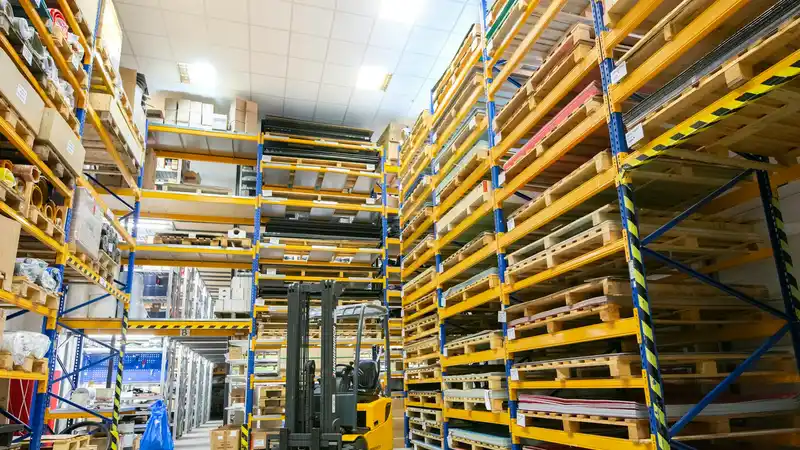
A warehouse is the name given to large spaces or storehouses used to keep products. Besides storing products, warehouses are also the spaces where items are placed so that they can be used later.
What Is Warehouse Management?
Warehouse management is one of the cornerstones of e-commerce and is indispensable for running a successful business. This process covers storing products effectively, organizing them, and delivering them smoothly to customers when needed. The main goal of warehouse management is to carry out storage and shipping operations with maximum efficiency.
This process includes classifying stock correctly, using storage space effectively, and preparing and shipping orders quickly. In e-commerce, the success of warehouse management is directly tied to customer satisfaction and operational efficiency. To serve customers faster and without errors, warehouse management processes must be continuously reviewed and improved.
Modern e-commerce businesses use various warehouse management systems (WMS) to simplify and optimize warehouse management. These systems are designed to track stock levels, automate order processing and manage customer orders efficiently. An effective warehouse management system helps businesses reduce stock costs, improve order accuracy and enhance overall operational efficiency.
How Is Warehouse Management Done?
For e-commerce companies, warehouse management involves storing and shipping products effectively and efficiently. Successful warehouse management both improves business efficiency and ensures customer satisfaction. Here are the steps to follow for effective warehouse management:
- Checking Product Quantities: Regularly check the quantities of the products you add to your inventory. This prevents problems such as overstock or shortages.
- Product Codes and Barcode Systems: Use coding and barcode systems to track products easily. These systems allow you to check stock quickly and without errors.
- The Importance of Shelf Layout: Arranging products in the warehouse in an orderly way both improves space efficiency and makes products easy to find.
- Clear Product Naming: Use clear and understandable names when naming your products. This keeps the warehouse organized and simplifies order processing.
- Checking Sales Records: Regularly check the sales records of the products you will take out of the warehouse. This ensures the right products are matched with the right orders.
- Use Warehouse Management Systems: Warehouse management systems (WMS) help you check and manage stock regularly. By automating stock levels, order processing and shipping, these systems reduce the workload.
By following these steps, you can build an effective warehouse management structure, manage your products more professionally in your e-commerce business and offer your customers quality service.
What Is a Warehouse Management System?
A Warehouse Management System (WMS) is a comprehensive system that allows e-commerce companies to manage their storage and shipping processes effectively. It covers all operational processes, starting from product intake and including goods receipt, warehouse management, counting, shipping and box or pallet management.
Advantages of a Warehouse Management System:
- Goods Receipt and Tracking Become Easier: A WMS makes goods receipt processes easier and stock tracking more effective.
- Inventory Tracking: Warehouse management systems simplify inventory tracking and help manage stock levels accurately.
- Business Efficiency Increases: By automating warehouse operations, these systems increase business efficiency.
- Labor Savings: Thanks to automated processes, manual workload decreases and labor is saved.
- Document Preparation Becomes Easier: A WMS automates document preparation and management processes, saving time and resources.
- Improved Customer Service: Warehouse management systems offer advanced features that improve the quality of customer service.
- Managing Shipping Processes: Managing shipping processes becomes simpler and more effective for e-commerce companies.
Taking advantage of these benefits of warehouse management systems allows e-commerce companies to work more professionally and effectively. Using a WMS contributes to managing supply, logistics and order processes more efficiently, so companies increase customer satisfaction and build a loyal customer base.
How to Build a Successful Storage Structure?
Building a successful storage structure is the key to improving business efficiency and ensuring customer satisfaction for e-commerce companies. There are some key points to consider when building this structure:
Keep Product Records:
- e-Commerce companies need to keep detailed records of the products they continuously source and sell. This is critical for stock management and inventory tracking.
Check Your Stock:
- Carrying out regular stock checks improves the success of e-commerce companies in warehouse management. Monthly or weekly stock checks are important for optimizing stock levels and preventing unnecessary stock buildup.
Use Automation Systems:
- Automation systems make it easier to track products coming in and going out and speed up business processes. Automatic stock updates make order processing and warehouse management more efficient.
Barcode System and Memorable Product Names:
- Barcode systems make product tracking and placement within the warehouse easier. In addition, using clear and memorable names when naming products benefits both warehouse staff and automation systems.
By following these steps, e-commerce companies can manage the products in their warehouses more effectively and efficiently. A successful storage structure speeds up business processes, lowers stock costs, and allows customer orders to be processed faster and more accurately. This in turn increases customer satisfaction and loyalty and contributes to the overall success of e-commerce companies.
What Is Inventory?
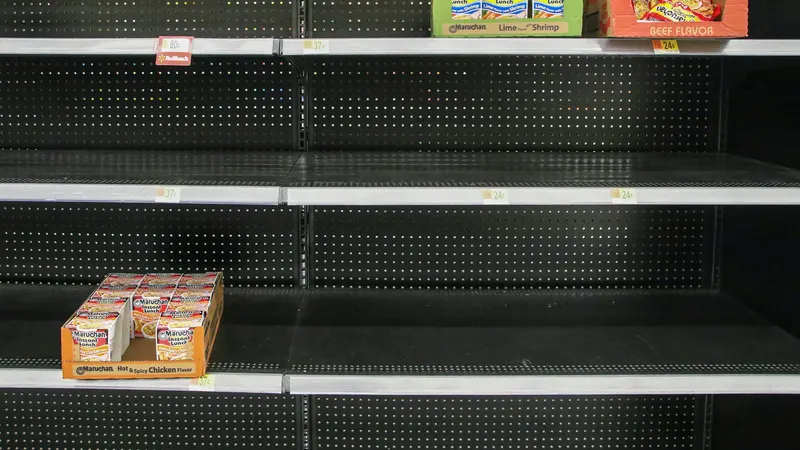
Inventory refers to a business's assets, debts and receivables on a given date, and in particular the stock it holds and the quantities of that stock. In the e-commerce and retail sectors, inventory management is part of a business's core operational activities.
Inventory management involves tracking the quantity, value and location of the products a business owns. This process ensures that the business has the right products, at the right time and in the right quantity at every stage from product sourcing to sale. Effective inventory management lowers costs by preventing overstocking and increases sales by enabling a quick response to customer demand.
The difference between warehouse management and inventory management is generally that warehouse management focuses more on operational processes such as storing, organizing and shipping physical stock. Inventory management, on the other hand, has a broader scope and includes more strategic processes such as tracking stock levels and values, purchasing decisions and overall cost management
We recommend readingHow Do You Transfer Stock Between Warehouses?Differences Between Warehouse and Inventory Management
Warehouse management and inventory management are two fundamental concepts frequently encountered in the e-commerce and retail sectors. Although they are closely related, they actually involve different processes and focus areas.
Warehouse Management
- Operational Focus: Warehouse management focuses on managing the warehouse areas where products are physically stored. This process covers storing products in an orderly way, protecting them and shipping them when needed.
- Logistics and Organization: Warehouse management includes the movement of products within the warehouse, the layout and logistics operations. This requires classifying the products in the warehouse effectively and using warehouse space efficiently.
- Shipping Processes: Warehouse management also includes shipping processes such as packing and sending orders quickly and accurately.
Inventory Management
- Strategic Focus: Inventory management focuses on tracking the quantity and value of the stock a business holds. This covers a wide range, from purchasing decisions to sales strategies.
- Stock Levels and Cost Management: Inventory management aims to keep stock levels at an optimal level and to prevent unnecessary stock buildup. This is important for cost management and cash flow optimization.
- Demand Forecasting and Purchasing Decisions: Inventory management also helps forecast customer demand and make purchasing decisions accordingly.
In short,
While warehouse management deals more with in-warehouse operational activities and physical stock movements, inventory management deals with the business's overall stock policies, cost management and strategic planning. Managing both processes effectively plays a critical role in increasing a business's overall efficiency and customer satisfaction.
Manage Your e-Commerce Warehouse with Faprika
Efficiency and economy are the keys to success in the e-commerce sector. Manage your business with Faprika's advanced WMS (Warehouse Management System). By optimizing your business's warehouse and order management, it lets you manage more orders effectively with fewer staff. This is an ideal solution for lowering costs and increasing business efficiency.
By using Faprika's WMS, you can automate your business's warehouse operations and eliminate the risk of errors. While speeding up your order processes, this system also makes stock management easier. This way, you can use your staff resources more effectively and save time and cost.
Moreover, Faprika WMS quickly adapts to your business's existing systems with its user-friendly interface and rich ERP integrations. Advanced reporting functions can be customized to your business's needs, so you can always reach the right information quickly.
Manage your e-commerce operations economically and efficiently with Faprika's WMS product. Handle more orders with fewer staff, maximize your business's growth potential and strengthen your competitive edge in the market.
The Importance of Warehouse and Inventory Management in E-Commerce
Succeeding in e-commerce is not limited to offering quality products or developing effective marketing strategies. Managing your business's warehouse and inventory processes effectively is also an important part of that success. Warehouse management covers the physical processes in which your products are stored and shipped; inventory management covers optimizing your stock levels and costs. When these two systems work in harmony, they increase your business's efficiency and maximize customer satisfaction.
In this article, we covered the key differences between warehouse and inventory management and the role of each in e-commerce success. Building a successful storage structure and managing your inventory effectively is one of the keys to gaining a competitive edge in e-commerce. Give these two elements the attention they deserve for sustainable success and growth in e-commerce and maximize your business's potential.
Contact us to learn more about warehouse and inventory management in e-commerce and to increase your business's success. By offering solutions that fit your business's needs, we are happy to support you on your e-commerce journey.
Frequently Asked Questions (FAQ)
What Does Warehouse Management Mean in E-Commerce?
Warehouse management refers to the processes of storing, organizing and shipping products in e-commerce businesses. It includes preparing orders efficiently and delivering quickly to customers.
Why Is Inventory Management Important?
Inventory management helps businesses track and manage their stock effectively. Correct inventory management is critical for lowering stock costs, preventing surplus or shortage of stock, and responding quickly to customer demand.
How to Choose a Warehouse Management System (WMS) for E-Commerce Businesses?
E-commerce businesses should choose a warehouse management system (WMS) that suits the scale of their operations, the variety of their stock and their budget. The system must be flexible enough to adapt to the business's needs and easy to use.
What Steps Should Be Followed to Build a Successful Storage Structure?
To build a successful storage structure, steps such as keeping regular product records, carrying out effective stock control, using automation systems and barcoding should be followed.
What Are Inventory Management Tips for Small and Medium-Sized E-Commerce Businesses?
Inventory management for small and medium-sized businesses includes tips such as reviewing stock levels regularly, making purchasing decisions using demand forecasts, and organizing inventory effectively.
What Is the Effect of Warehouse and Inventory Management on Customer Satisfaction in E-Commerce?
Warehouse and inventory management in e-commerce directly affects customer satisfaction by ensuring customer orders are processed accurately and quickly. Effective management increases customer loyalty and brand credibility.
You May Also Like
- E-Ticaret Nedir? E-Ticaret Türleri, Avantajları ve Dezavantajları
- Stoksuz e-Ticaret Nedir? Stoksuz Satış Nasıl Yapılır?
- Trendyol’da Satış Yapmanın Avantajları ve İpuçları
- ÇiçekSepetin’de Satış Yapmak ve Avantajları
- Pazarama’da Satış Yapmak ve Avantajları
- Amazon'da Satış Yapmak İçin Gerekli Bilgiler
- Marketplace Category Commission Rates 2023