Contents 9 sections
Etsy is an e-commerce platform founded in 2005 where handmade, vintage and custom-designed products in particular are sold. Selling on Etsy offers a unique opportunity especially for those who work with handmade, vintage and custom-designed products. The platform is known for its community and audience that support small businesses. Etsy lets you connect with buyers from around the world, giving you the chance to showcase and sell your products in a global marketplace.
By showcasing your unique designs and craftsmanship, you can offer customers special, personalized products and manage your shop easily thanks to the platform's user-friendly interface and secure payment system. Etsy also encourages community participation, so you can share your experiences with other sellers and engage with potential customers. As a result, selling on Etsy can be a unique platform for those interested in creative and handcrafted products, offering the chance to reach a global audience and grow your independent business.
Etsy's Key Features
Handmade and Original Products: Etsy focuses on selling handcrafted products, artworks, vintage items and custom designs. As a result, shoppers can usually find unique and personalized products.
Independent Sellers: Etsy supports independent sellers from around the world. Small businesses, artists and individuals working with handcrafted products can open their own shops and offer their products to a global audience.
Various Categories: Etsy has many different categories. You can find products in jewelry, home decor, clothing, artworks, toys and many more areas.
Community and Communication: Etsy encourages interaction among sellers. Shop owners can communicate with each other through customer reviews and community forums, share their experiences and make suggestions.
Payment System: Etsy uses its own payment system, which allows transactions between buyers and sellers to be carried out securely.
We recommend readingTrendyol Integration and Product Stock TrackingWhat Are the Advantages of Selling on Etsy?
Selling on Etsy has many advantages:
- Target Audience: Etsy is a platform with an audience interested in handmade, vintage and custom-designed products. As a result, your products can reach the relevant audience more easily.
- Unique Products: Etsy encourages the sale of unique and custom-designed products. This lets buyers find unusual and personalized products.
- Independent Seller Friendly: Etsy is a platform that supports small businesses and independent sellers. Opening a shop and showcasing your products is a user-friendly process.
- Global Market Access: Etsy brings together buyers and sellers from around the world. This offers the opportunity to showcase and sell your products in a global market.
- Community and Communication: Etsy encourages building a community among sellers. Through forums and events, you can communicate with other sellers, share your experiences and learn.
- Ease of Use: Etsy's user-friendly interface and shop management tools let sellers add, price and manage their products easily.
- Secure Payment System: Etsy uses its own payment system, Etsy Payments. This ensures that payment transactions between buyers and sellers are carried out securely.
- Marketing Opportunities: In addition to offering marketing tools, Etsy allows sellers to promote their shops on social media and other platforms.
Selling on Etsy offers many advantages, especially for those working with creative and handcrafted products, and allows small businesses to compete in the global market.
We recommend readingAmazon Integration and Product Stock TrackingHow Can You Increase Sales on Etsy?
To increase sales on Etsy, you can check out the following tips:
- Use Quality Photos: Use attractive, high-quality photos of your products. Add photos from various angles so customers can see your products better.
- Write Descriptive Product Descriptions: Write your product descriptions in a detailed and descriptive way. Descriptions that include information such as the product's features, dimensions, material and care instructions can increase customer trust.
- Apply SEO Principles: Add relevant keywords to your product titles, descriptions and tags to help you rank better in Etsy's internal search engines.
- Competitive Pricing: Offer your products at a competitive price. Set your pricing by comparing it with similar products, while also choosing a price that reflects the quality and craftsmanship behind your work.
- Campaigns and Discounts: You can attract customers' attention by running campaigns or offering discounts from time to time. This can increase sales and help you win repeat customers.
- Expand Your Product Range: Appeal to different customer preferences by offering more variety in your store. A wider product range can attract more potential customers.
- Use Social Media: Use various platforms to promote your Etsy shop and share your products on social media. Visual platforms such as Instagram and Pinterest can support your Etsy sales.
- Make the Most of Customer Reviews: Value the feedback from your customers and showcase positive reviews in your shop. Positive customer experiences can strengthen your credibility.
- Fast and Professional Communication: Respond to customer questions and messages quickly and professionally. Good communication can improve customer satisfaction.
- Track Your Shop Statistics: Use the analytics tools Etsy offers shop owners to monitor your sales and customer behavior. This data can help you improve your strategies.
In addition to these tips, it is also important to follow Etsy's current policies and seller guides.
Is Etsy Available in Turkey?
Etsy operates actively in Turkey and gives sellers in the country the opportunity to be listed on the platform. Because the Etsy Payments system serves Turkey, Turkish sellers can receive payouts for their Etsy sales into their Turkish bank accounts. This way, Etsy offers sellers in Turkey who want to sell their own designs and handmade products access to a global market.
We recommend readingBest-Selling Products in E-Commerce and How to Find ThemBecoming a Seller in the Etsy Panel
Create an Etsy Seller Account
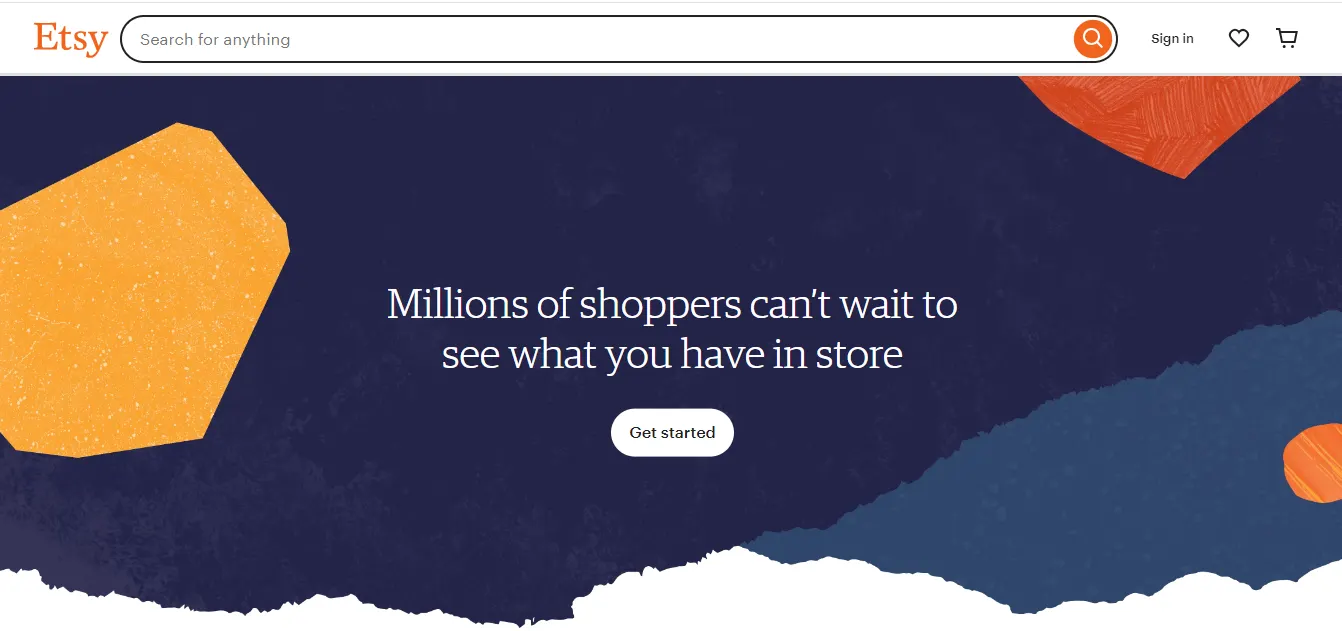
The first step to selling on ETSY is creating a seller account. To do this, visit Etsy.com/sell and click the "GET Started" button at the top of the page.
Fill In Your Details
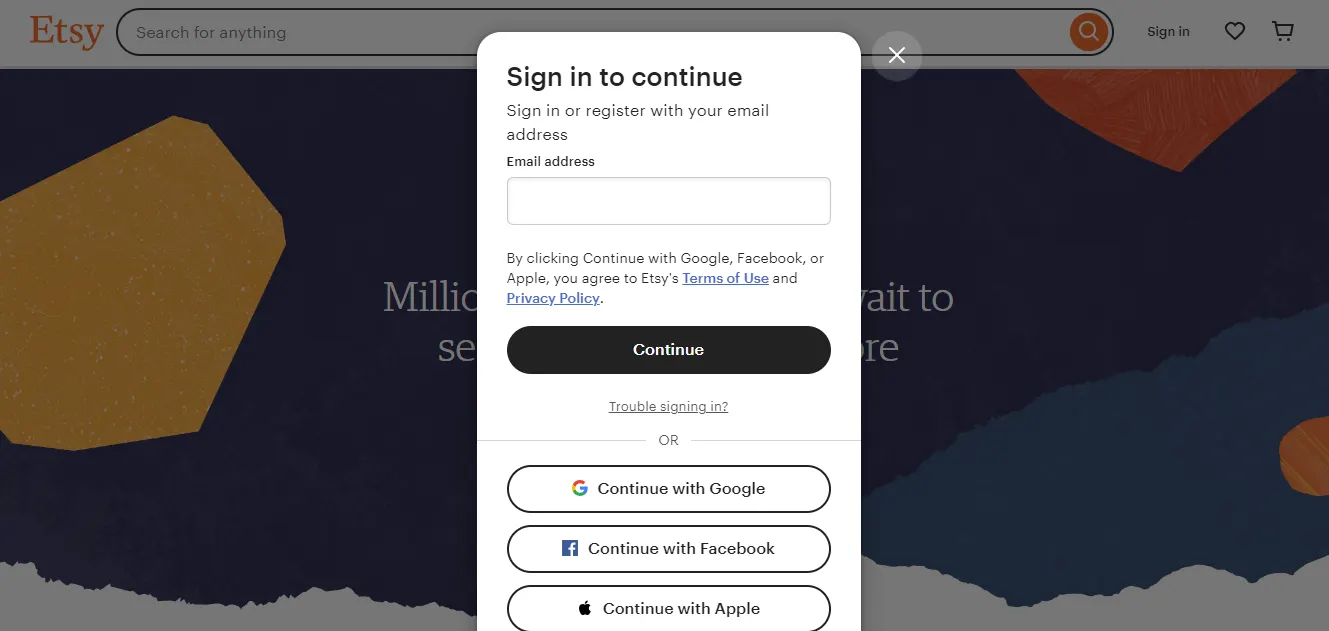
After you click the button, ETSY will ask you to enter your email address, full name, and password. Once you enter this information, your ETSY seller account will be created, and you will then be asked to set up your shop settings from your seller account. By following these steps, you can easily create your own Etsy seller account and start selling.
After entering your name and password, a new page opens. On this page, after clicking the "Let’s do this" button, you need to complete the "What brings you to Etsy?" survey. You are then asked to answer the question "Is there anything you'd like help with?". At this stage, Etsy asks you which topics it can help you with on the platform. Once you complete this survey in full, your Etsy seller account will be created.
Open Your Etsy Shop
After completing the steps above, here are the steps you need to take to open a shop on Etsy:
- Choose Your ETSY Shop Preferences
- Choose Your Shop Name
- Create Your Listing
- Choose How You Will Get Paid
- Set Up Your Billing Settings
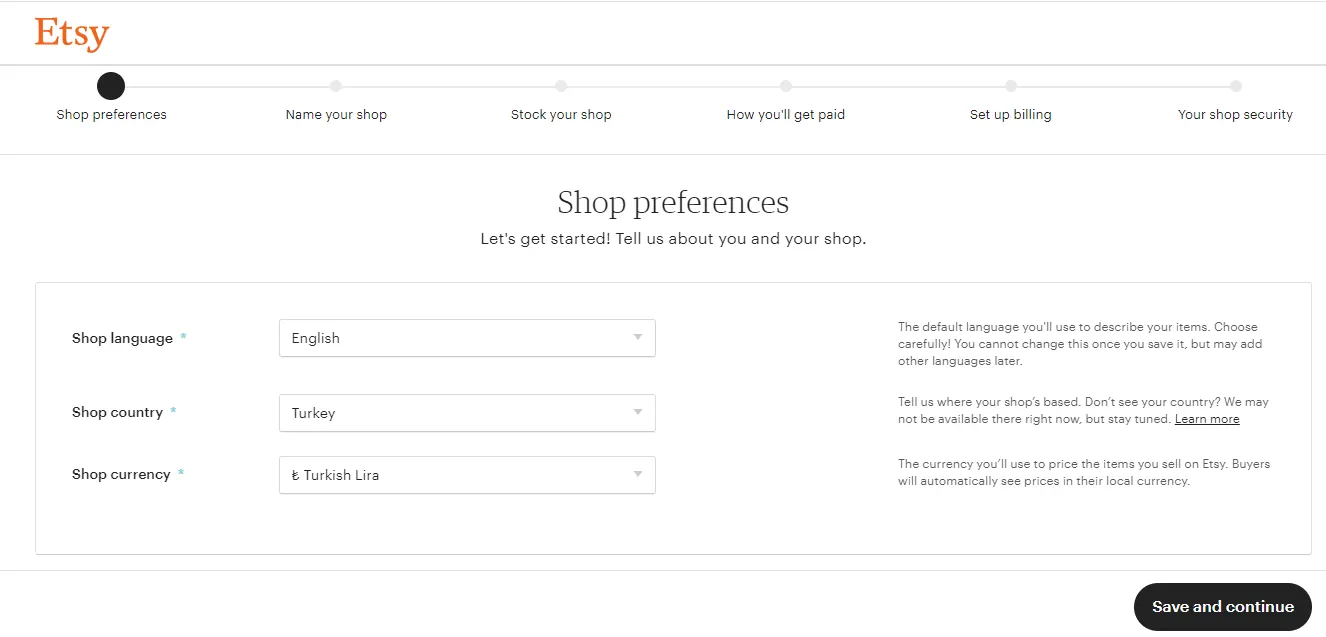
After you click the "Start Your Shop" screen, you will be asked to fill in information to set your Etsy shop preferences. The things you need to choose in this section are:
- Shop Language: Choose the language of your shop. This will help you communicate more effectively with your customers and let you reach a wider audience with your products.
- Shop Country: Choose the country where your shop is located. This is important for specifying the geographic location you sell from and for arranging your shipping options.
- Shop Currency: Choose the currency used to set your product prices. It is important for presenting clear and understandable prices to customers.
After filling in this information, you can continue opening your Etsy shop by clicking "Save and Continue" at the bottom of the page.
Set Your Shop Name
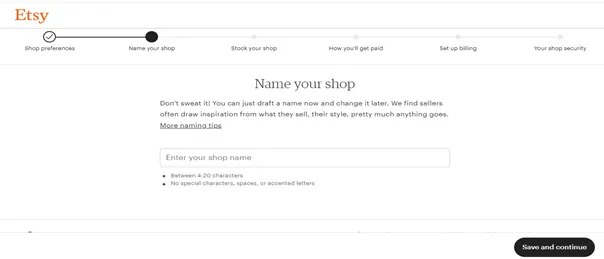
Another important step in opening a shop on Etsy is choosing your shop name. At this stage, users must choose a shop name between 4 and 20 characters. When choosing a name, take care not to use spaces or accented letters.
These restrictions are in place to keep the shop name clear, understandable, and memorable. After completing this step, you can reach customers with your shop's unique name and build your brand identity.
Upload Your First Product
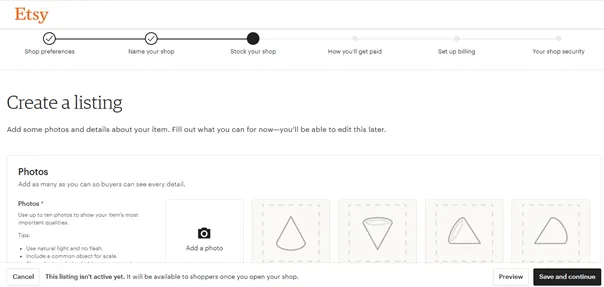
In the ETSY shop opening process, there is a product listing step after choosing the shop name. At this stage, professional-looking product photos play an important role. To upload your first product, you need to enter details such as a product photo, product video, product information, listing details, and a product description.
After completing these steps, you can upload your product on ETSY by filling in details such as the product price and shipping information. Complete and appealing information helps customers understand and buy your product better, which can increase the success of your Etsy shop.
Complete Your Application with Payment and Billing Settings
In the ETSY shop opening process, the step of setting up payment is critical, and sellers need to enter the correct information. Entering details such as account type, personal information, country for payments, and bank details correctly lets shop owners track their sales in an orderly way.
Billing settings follow the ETSY payment step. Configuring billing settings at this stage ensures that payments for the products you upload are made through the account you specify. After completing these processes, your ETSY shop opening will be successfully completed, and you will be able to manage your sales on ETSY.
We recommend you readAliExpress Integration and Product Stock TrackingThe Path to Success with Etsy
Selling on Etsy is a great way to bring your unique designs to buyers around the world. Quality photos, descriptive product descriptions, SEO strategies, and effective communication are the keys to taking your Etsy shop to success.
Remember, stand out with authentic, carefully prepared products to build your own brand and ensure customer satisfaction. Make the most of the advantages Etsy offers and step into a business journey full of craftsmanship and creativity. We wish you success!
Frequently Asked Questions (FAQ)
How Can I Optimize My Etsy Shop?
The main steps to optimize your Etsy shop are: adding relevant keywords to titles and descriptions, making visual content high quality and appealing, adding new products regularly and paying attention to customer reviews.
Which Keywords Should I Use in Product Titles?
It is important to include in your product titles the keywords potential customers may use when searching. By choosing the words that best describe your products, you can gain more visibility in search engines.
How Can Social Media Be Used?
You can use social media effectively to promote your Etsy shop. By sharing your products on platforms such as Instagram and Pinterest, you can reach potential customers and increase your shop's visibility.
Why Are Customer Reviews Important?
Customer reviews increase your shop's credibility and show potential customers real experiences. Positive reviews encourage buyers to shop from your store with confidence.
How Can I Make My Shop More Appealing?
To make your shop more appealing, use professional-looking photos, choose a unique shop name, increase customer engagement by adding content regularly and create original product descriptions.