Although search engine marketing is one of the most preferred ways of shopping today, many users do not know the difference between search engine optimization (SEO) and search engine marketing (SEM).
To learn everything we need to know about SEM and SEO and how to use them, we will explore the two terms together. Although SEO and SEM are often used interchangeably and believed to be the same, they are not strategies that follow the same path.
The difference between the two concepts is that search engine optimization (SEO) focuses on optimizing a website to earn traffic from organic search results. Search engine marketing (SEM), on the other hand, aims to gain traffic and visibility through both organic and sponsored channels.
Key Features of SEO
SEO is the practice of continuously optimizing a website to rank in organic, free search engine results pages (SERPs). Google uses more than 200 ranking signals in its algorithm. Even so, SEO can be divided into four main subcategories:
- On-page SEO
- Off-page SEO
- Technical SEO
- User engagement signals
On-page SEO is where you optimize your website around the keywords your target customer searches for on Google, Bing, and other search engines. The best practice for on-page SEO is to include your main keyword in your title tag, meta description, and web page URL.
Off-page SEO is about earning trust and authority signals from other websites. This mainly means building high-quality backlinks to your site. However, Google may also use other off-page signals, such as social media sharing, to increase your site's authority.
Technical SEO is where you make sure that Google and other search engines can crawl and index all the pages on your website. Technical SEO also cares about your pages loading quickly.
SEO and User Engagement Signals
The way users interact with your site helps Google understand whether your pages are a good match for a search. If your page has a high bounce rate, it can be a sign that your page does not answer someone's query. If Google thinks your page is not relevant to that keyword, it may lower your ranking. For this reason, you can evaluate user engagement signals, especially by using the various tools Google offers.
Key Features of SEM
Everything said about SEO also applies to SEM. However, in addition to SEO, SEM includes PPC. PPC is a field with its own characteristics, more advanced applications, and more.
Whether you use Google Ads or Bing Ads, PPC focuses on bidding for paid ads in search. With PPC, you bid on a specific keyword. That way, your ad appears when someone searches for that keyword. The ranking of ads is generally proportional to how much someone bids. So if you are the highest bidder, you appear above all other ads.
When you use PPC, you pay the amount you bid whenever someone clicks your ad. The amount you pay when someone clicks your ad is known as cost per click (CPC).
Quality Score and Ad Copy
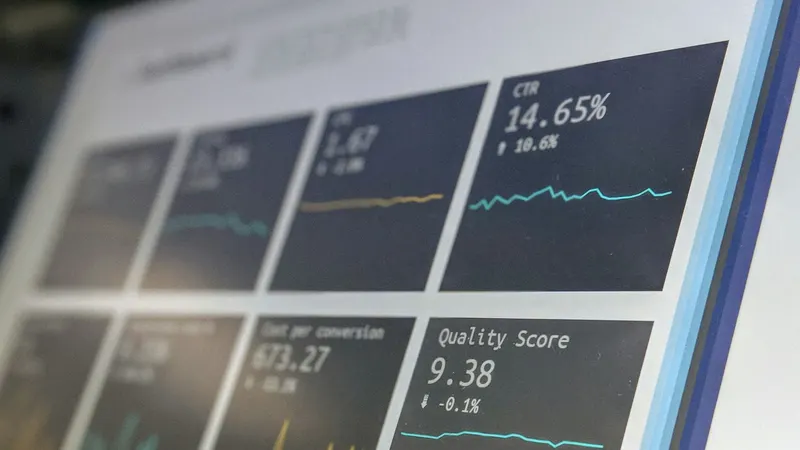
Quality Score is a very important Google Ads metric. Essentially, it is Google's way of understanding whether your ad is a good match for what someone searched for. Google calculates the Quality Score from a combination of click-through rate, the quality of your landing page, and the overall quality of your Google Ads account. If your ad's Quality Score is high, you get a discount on every click.
Writing compelling ad copy is an important part of succeeding with PPC. Great ad copy means a high click-through rate. Copy matters a lot because a high click-through rate will earn you a good Quality Score. If your copy does not motivate people to click, this will lower your Quality Score and raise your cost per click.
SEO and SEM: How Long Does It Take to See Results?
One of the main differences between SEO and SEM is speed. The truth is that SEO takes a lot of time. You have to wait, especially if your site is new and does not yet have many backlinks. An analysis by Ahrefs found that it takes an average of 2 years to reach the first page of Google. On the other hand, if you focus your SEM efforts on PPC, you can start seeing results immediately. You can launch an ad in the morning and get traffic and conversions by the afternoon. In most cases, however, months of testing and fine-tuning are needed to get a positive return on investment from PPC.