While e-commerce has grown steadily over the past decade, the online retail sector has seen rapid expansion in recent years. The COVID-19 pandemic sharply widened the growth trajectory of e-commerce. However, it is also quite possible to see the push toward online shopping as driven by an increasingly global, accessible, mobile-first economy.
This means the challenge has never been greater for e-commerce businesses trying to compete in an increasingly competitive market. Today, a holistic e-commerce marketing plan is a must for succeeding in an e-commerce business. So, what is e-commerce marketing?
E-commerce marketing is the combination of all online and offline promotional activities your business can use to drive traffic to your online store and convert it. In general, it is very similar to traditional marketing. Successful e-commerce marketing strategies include a variety of channels and tactics targeted at a specific buyer audience. E-commerce marketing supports the promotion of various products, including marketing content and the brand itself. In fact, many successful businesses can turn their expert brand and marketing assets into profitable, always-safe revenue streams.
Benefits of a Smart E-commerce Strategy
Even though building any marketing strategy requires planning and preparation, it is quite clear that the gains from these activities are truly worth it. Here are a few ideas that will help when building e-commerce marketing:
- Save money by optimizing your resource allocation.
- Optimize your return on investment (ROI).
- Assess the market, the competition, and your competitors.
- Improve your approach to business growth.
An e-commerce marketing strategy includes all marketing activities that promote your online store, including those that take place both online and offline. Digital marketing describes the features of a comprehensive e-commerce marketing strategy that takes place only online. Because of the significant overlap in activities between digital marketing and e-commerce marketing, the two may look like one and the same, but there are important differences.
The Difference Between Digital Marketing and E-commerce Marketing
What is digital marketing?
Digital marketing refers to all promotional and advertising activities that take place online or that use connected technologies to drive marketing goals. Common forms of digital marketing include the use of social media, search engines, display advertising, and more.
What is e-commerce marketing?
E-commerce marketing refers to all the promotional activities you undertake to grow both your online and offline store. Naturally, digital marketing can be an important and powerful part of e-commerce marketing. However, not every aspect of digital marketing will necessarily apply to your e-commerce marketing strategy. For example, many businesses with local markets, such as those who roast and sell their own coffee, may find that the highest return on their marketing comes from offline marketing and community partnerships rather than heavy investment in digital marketing.
To understand how digital marketing will fit into your overall strategy, it is important to understand your business and your growth goals.
How to Build an E-commerce Marketing Strategy
Before you get started and begin building your e-commerce marketing presence, it is worth doing a little homework. Here are a few points to work through so you are clear on your advertising needs:
Create buyer personas
Who is your ideal customer or buyer? Do you have more than one type of customer? Do your research and create an outline that summarizes this person. That way, you can focus all your marketing efforts on speaking to this customer.
Focus on where your ideal customers are
As you explore your buyer personas, make sure to research which habits, communities, and brands they may prefer. Think about their age, gender, and location. Do they attend online events or take courses?
Are they good at browsing Pinterest, or are they more comfortable on Instagram? Once you know your buyer, work out where you can find them. Build your marketing strategy around which channels and tactics will work well on the platforms your ideal customers visit regularly.
For example, your target audience may be reached most easily through a particular forum or a targeted social network; understanding who they are also involves developing a good sense of the best channels through which you can reach them.
Optimize your conversion rates
Once you know your sales channels and where your most common customer base is, it will be very useful to understand the key steps you can take to optimize conversion rates between the touchpoints along the customer journey.
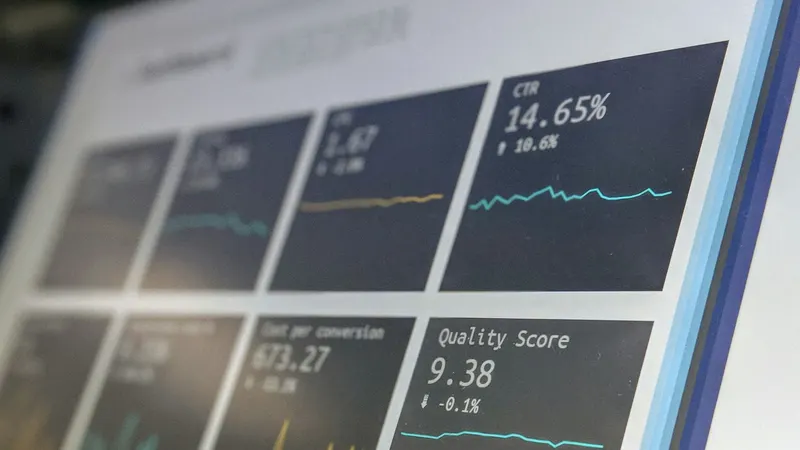
For example, if you want to drive more traffic to your website from your display ads, you can focus on improving your click-through rate. That said, the click itself can be considered a conversion behavior.
Importantly, keep in mind the metrics you aim to optimize as you build your e-commerce marketing plan. Once these fundamentals are in place (and with a strong understanding of your marketing needs), you are ready to start identifying and detailing the e-commerce marketing strategies that will work for your business.