Contents 12 sections
- What Is E-Export?
- How Is E-Export Done?
- What Are the Differences Between E-Export and Export?
- What Is Micro Export?
- What Is the E-Commerce Customs Declaration (ETGB)?
- How Is the ETGB Form Filled Out?
- Which Countries Does Türkiye Do the Most E-Export To?
- Which Marketplace Sites Should I Sell On for E-Export?
- E-Export Shipping Companies
- Contribution of E-Export to the Turkish Economy
- What Conveniences Does Faprika Offer Me for E-Export?
- Set Up Your E-Export Site with Faprika Today
Digital transformation is changing not only our daily lives but also the face of trade. Traditional export methods that have lasted for years are giving way to something fast, effective and borderless: E-export. So, what is e-export and how is it done? What are the main differences between e-export and traditional export? In this article, we take a detailed look at this new form of trade, which lets you sell products and services worldwide with just a few clicks.
This topic is especially important for Faprika's customer portfolio. Faprika offers comprehensive solutions for those who want to grow their business by understanding and investing in e-export. If you want to reach customers not just in your neighborhood but all over the world, you should definitely learn what e-export can add to your business.
Just imagine: you can bring your products to customers in any market you choose, anywhere in the world, while being freed from a huge logistics and bureaucracy burden. How? Let's step into the magical world of e-export together.
What Is E-Export?
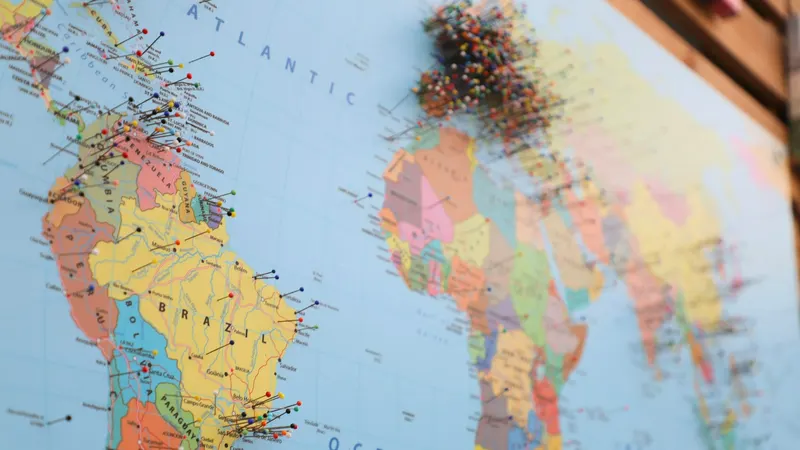
E-export is short for electronic export and basically means selling a product or service to foreign customers through digital platforms. In other words, exporting products or services beyond a country's borders through digital channels is called e-export.
The Rise of Trade in the Digital World
E-export is becoming more and more popular in a globalizing world. As life goes digital, e-commerce has been taken a step further, bringing e-export onto the agenda. This allows even small businesses to open up to big markets. Without a physical store or heavy capital, it is possible to sell all over the world with just a website and an e-export infrastructure.
Key Elements
To carry out e-export successfully, you first need a solid digital infrastructure. Besides the e-commerce site, elements such as international payment systems, shipping integrations, language options and localized content are also very important.
Advantages of E-Export
- Cost Efficiency: E-export can be carried out at much lower costs than traditional export.
- Wide Market: With access to global markets, it is possible to reach many more customers.
- Flexibility: You can sell 24/7, without limits of geography, language or time zone.
Faprika's Role in E-Export
With the rise of e-export, Faprika offers businesses comprehensive solutions in this area. From e-commerce infrastructure to shipping processes, Faprika makes your e-export processes easier and provides all the infrastructure you need to take your business global.
How Is E-Export Done?
Although starting the e-export process may seem complicated at first glance, it can actually be carried out easily with a systematic approach. Here is a guide on how e-export is done:
1. Market Research
The first thing to do for successful e-export is to carefully research the target market. During this research, you should focus on topics such as customer profile, competitor analysis and pricing strategies.
2. Localization
You should adapt your website's language, payment options and product descriptions to the local culture and language.
3. Legal Procedures
You should remember that there may be different legal and customs procedures depending on the countries you plan to export to. Learning and complying with all these legal procedures is of great importance.
4. Digital Infrastructure
You need to have a reliable e-commerce infrastructure. This infrastructure should cover elements such as payment options suited to your target market, shipping integrations and customer service.
5. Marketing and Promotion
You should promote your brand and products by using digital marketing channels such as SEO, SEM, social media and email marketing effectively.
6. Sales and Follow-up
After selling your products, you should manage operational processes such as logistics and customer service effectively.
7. Continuous Improvement
You should keep updating your strategy according to market dynamics and customer feedback.
Faprika and E-Export
Faprika stands by businesses throughout all these processes. It offers end-to-end service not only in e-commerce infrastructure but also in details such as shipping processes and payment methods. This way you can breathe easy during your e-export journey and have the energy you need to grow your business.
What Are the Differences Between E-Export and Export?
E-export and export basically serve the same purpose: selling products or services abroad. However, there are a few important differences between them.
1. Physical Presence
Export: Export usually requires having an office or representative abroad.
E-export: In e-export, transactions are carried out through online platforms without any physical presence.
2. Investment and Cost
Export: Export can involve high costs such as logistics, offices, customs and legal procedures.
E-export: Since it is online, the initial cost is generally lower.
3. Market Access
Export: The focus is usually on specific markets or countries.
E-export: Global market access is possible.
4. Logistics and Distribution
Export: It usually requires more complex and longer-term logistics planning.
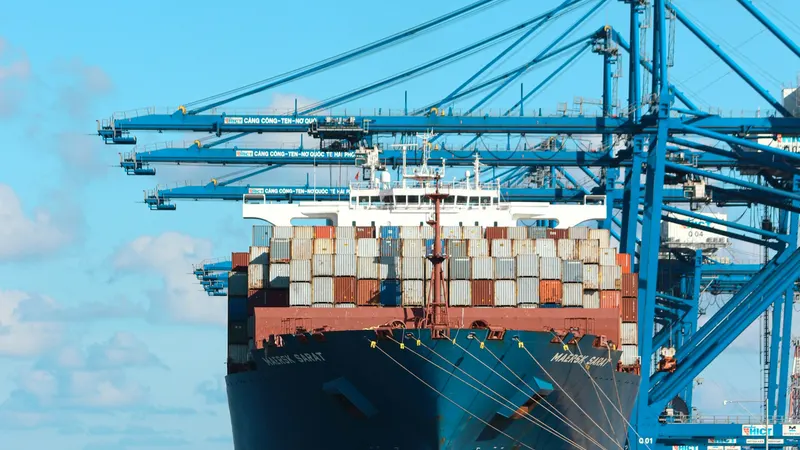
E-export: Logistics and shipping processes are faster and more flexible, especially with integrations like Faprika's.
5. Speed and Scalability
Export: Growth and scaling are slower and more complex.
E-export: Since it is online, it can be scaled and expanded faster.
6. Customer Relationships
Export: Customer relationships usually require a face-to-face, personal connection.
E-export: Customer service is provided through digital channels, usually in an automated way.
Faprika's Role
Faprika acts as a bridge for businesses in the e-export process, offering a wide range of services from marketplace and shipping integrations to customer service. With Faprika, businesses can make the most of the advantages that e-export offers.
What Is Micro-Export?
Micro-export generally refers to selling low-value or low-volume products abroad. Compared with large-scale export operations, this kind of export can be less complex and lower in cost. Micro-export offers a way for small and medium-sized enterprises (SMEs) in particular to enter the international market.
Micro-Export Limits:
The limits set for micro-export may vary depending on countries and agreements. However, the following rules generally apply:
- Value Limit: The total value of the products generally must not exceed a certain limit (for example, 15,000 euros).
- Weight Limit: The total weight of the products must generally be within a limit (for example, 300 kg).
- Quantity Limit: Quantity limits may also apply to some product categories.
These limits directly affect how quickly and at what low cost a product can be shipped. In micro-export transactions, it is also generally possible to reduce complex customs procedures and documentation to a minimum.
To get detailed information about micro-export limits, you can contact local chambers of commerce, customs brokers or the relevant government authorities.
Features of Micro-Export:
- Low Cost: Micro-export generally requires low investment and low operating costs.
- Fast and Flexible: It involves less bureaucracy and complexity than large-scale export. Transactions can be carried out faster and more flexibly.
- Wide Reach: With micro-export, even small businesses can take part in the global market.
- Relatively Low Risk: Risks are also limited due to the low volume and value.
Advantages of Micro-Export:
- Market Diversification: By gaining access to different markets, you can minimize business risk.
- Fast Scaling: You can enter new markets faster and grow your business.
- Brand Awareness: You can increase your brand awareness in the international market.
- Seizing Opportunities: You can create opportunity markets for low-volume products.
Micro-export is becoming increasingly popular, especially thanks to e-commerce platforms and digital marketing channels. E-commerce infrastructure providers like Faprika in particular can make such transactions even easier and speed up the process with shipping and marketplace integrations.
What Is the E-Commerce Customs Declaration (ETGB)?
The E-Commerce Customs Declaration (ETGB) is a declaration system aimed at simplifying customs procedures for international sales made through e-commerce. The system works through a declaration form that is completed online and approved with an e-signature. Customs procedures are generally sped up and simplified through ETGB, so sales made on e-commerce platforms can reach international buyers faster.
Features of ETGB:
- Digital Processes: Declaration procedures are carried out online, which eliminates paperwork and physical applications.
- Fast and Efficient: Thanks to the E-Commerce Customs Declaration, the time products are held up at customs is shortened and processes are sped up.
- Easy Tracking: Because the declaration is electronic, transactions can be easily tracked online.
- Accessibility: Small and medium-sized businesses can also export easily using this system.
E
TGB Advantages:
- Cost Savings: It is less costly than traditional customs declarations.
- Time Savings: Time spent sending physical documents or waiting at customs gates is reduced.
- Customs Convenience: All the necessary documents can be submitted quickly online.
- Low Error Rate: Transactions carried out electronically involve fewer errors than manual ones.
E-commerce infrastructure providers in particular can make ETGB procedures even easier. This way, businesses can focus on their core business instead of dealing with complex customs procedures.
How Is the ETGB Form Filled Out?
How the E-Commerce Customs Declaration (ETGB) form is filled out may generally vary from country to country and depending on customs regulations. However, as a basic guide, you can consider the following steps:
Steps for Filling Out the ETGB Form:
Download the Form or Open It in the Application: To access the ETGB form, you can download it or fill it out online through the relevant customs or trade portal.
Personal and Business Information: Enter the full name, address, phone number and other contact details of the company or individual completely and accurately.
Product Information: Specify the details of the product or products to be shipped. This may include product codes, descriptions, quantities and total value.
Shipment Information: Enter all details about the shipment; this may include details such as the FOB value, shipment method, destination and carrier.
Customs Tariff Information: Specify the relevant customs tariff codes and exemption codes.
Documents and Licenses: If the products require special permits or documents, you must also state the details of these documents on the form.
Signature and Date: After the form is completed, it must be signed by the authorized person and dated.
Review: Review the form to make sure all the information is correct and complete.
Submission and Approval: Submit the form to the relevant customs or trade office. If the process is online, send the form digitally.
Follow-up: Closely follow the approval process of the form. Once approval is received, you can complete the remaining steps for your shipment.
Note: This information is a general guide. Keep in mind that there may be country- or sector-specific differences and updates. It is important to get the most up-to-date information from official sources.
"E-export is not just a sales channel, but also the key to your global success.”
Which Countries Does Türkiye Do the Most E-Export To?
The countries Türkiye conducts the most e-export with are generally those of strategic economic and logistical importance. These countries are determined by taking into account demand for Turkish products, customs advantages, logistics conveniences and other commercial factors. The countries Türkiye conducts the most e-export with are generally the following:
- Germany
- United Kingdom
- United States
- France
- Italy
- Netherlands
- Spain
- Russia
- Saudi Arabia
- United Arab Emirates
This list may vary by period and sector. For example, different countries stand out in the textile and ready-to-wear sector, while different countries may generate more demand in the electronics and IT sector.
For businesses considering e-export, these countries are generally target markets that call for more research and market analysis. Learning more about these countries at the various stages of e-export means you can shape your business model accordingly.
Which Marketplace Sites Should I Sell On for E-Export?
If you plan to do e-export, deciding which marketplace platforms you will sell on is a critical step. Below are some marketplace platforms that are popular internationally and may be useful for Turkish sellers:
For General Product Categories:
- Amazon - One of the world's largest e-commerce platforms. It operates in the USA, Germany, the UK and many other countries.
- eBay - A very popular platform for new products as well as second-hand ones.
- Alibaba/AliExpress - China-based, it sells products to many countries around the world.
- Etsy - A platform where handmade and vintage products in particular are sold.
For Fashion and Apparel:
- ASOS Marketplace - A British platform where young, fashionable products are sold.
- Zalando - One of Europe's leading online fashion retailers.
For Electronics and Technology:
- Newegg - A US-based platform that is popular, especially for electronics and computer products.
- Best Buy - A very popular platform for electronics in the USA and Canada.
For Special Categories:
- Wayfair - A platform for furniture and home decor.
- Grainger - A platform for industrial equipment and office supplies.
Since every marketplace platform has its own commission rates, fees and seller policies, it is very important to research them in detail beforehand. You should also take local regulations, tax obligations and logistics options into account.
E-Export Shipping Companies
Shipping and logistics are a critical factor for success in e-export. Below are some important carriers that offer international e-export shipping services:
Carriers Operating Worldwide
- DHL Express - Serves more than 220 countries and territories worldwide. Known for its fast and reliable services.
- FedEx - Particularly strong in the American, Asian and European markets. Offers a fast and reliable service.
- UPS - Offers comprehensive services for international shipments. Has a good tracking system and reliable transportation.
- TNT - Generally a good option for shipments to Europe. It has been acquired by FedEx.
- Aramex - A carrier company focused on the Middle East, Africa and Asia markets.
Carriers Operating in Türkiye
- PTT - The international shipping services of Türkiye Post stand out with their affordable prices.
- DHL Kargo - A company that can send shipments from Türkiye to many countries.
- Yurtiçi Kargo - A local company that offers some services for shipping abroad.
- Sürat Kargo - Offers solutions for both domestic and international shipments.
The services, prices, delivery times and tracking systems offered by each carrier differ. You should choose to work with the carrier that best suits your needs and target market. Keep in mind that you can arrange special agreements for high-volume shipments.
Contribution of E-Export to the Turkish Economy
E-export makes an important contribution to Türkiye's economic development. Here are some key points on this subject:
Foreign Currency Inflow
E-export brings foreign currency into the country, which helps preserve the value of the Turkish Lira and contributes to economic stability.
Employment
Companies that grow through e-export create more jobs. This means new job opportunities, especially in areas such as production, logistics and marketing.
Brand and Product Promotion
E-export allows Turkish brands and products to be promoted worldwide. In this way, Türkiye's brand value rises.
Small and Medium-Sized Businesses
E-export also enables small and medium-sized businesses (SMEs) to compete in the international market. This increases Türkiye's economic diversity and resilience.
Technology and Innovation
The rise of e-export also contributes to the development of technology and innovation. Technologies such as data analytics, artificial intelligence and automation make e-export processes more effective.
Tax Revenue
Growing exports provide the state with more tax revenue. This revenue can be used in many areas, from infrastructure to education.
Economic Diversification
E-export allows Türkiye to operate in different sectors and markets. This creates a kind of protection against economic risk.
Trade Balance
E-export has the capacity to improve Türkiye's trade balance. Growing exports can reduce dependence on imports.
In conclusion, e-export contributes to the Turkish economy in many different ways, such as foreign currency inflow, employment, technological development and trade balance, and lays the groundwork needed for sustainable growth.
What Conveniences Does Faprika Offer Me in E-Export?
As an e-commerce infrastructure service, Faprika can offer many conveniences in the e-export process. Here are some of the key advantages Faprika offers in this area:
Easy Integration
Faprika provides full integration with many major marketplaces such as Trendyol, Hepsiburada and Amazon. This lets you easily take your products to international markets.
Warehouse and Logistics Management
Faprika provides end-to-end service, from warehouse operations to shipping processes. This way, you can manage your products effectively and easily deliver them to customers worldwide.
Payment and Invoicing
Faprika also provides various conveniences in payment processing and e-invoice operations. This is a major advantage, especially for sales abroad.
Language and Currency Options
Faprika's multi-language and multi-currency support makes it easier to appeal to international customers.
Analytics Tools
Faprika offers analytics tools to measure the performance of your e-commerce operation. This lets you see which countries you are most effective in and which products attract the most interest.
SEO Support
Thanks to the SEO support Faprika offers, your products can rank higher in international searches.
E-Export Consulting
Faprika can also offer consulting services in the e-export process. This helps you overcome the challenges you may face when entering international markets.
In conclusion, thanks to these and similar features offered by Faprika, your e-export process can become much easier and more effective.
Set Up Your E-Export Site with Faprika Today
E-export is an increasingly large part of global trade, and e-commerce is one of the easiest ways for businesses to reach international markets. However, the e-export process can bring many challenges and details with it. This is exactly where Faprika steps in. With easy integration options, end-to-end logistics solutions and a strong e-commerce infrastructure, Faprika makes the e-export process simple and effective for you.
Why Should You Do E-Export with Faprika?
Easy and Fast Setup
Faprika lets you set up your e-commerce site quickly without overwhelming you with technical details. This way, you can focus your energy on the quality of your products and services.
Integration Options
It provides easy integration with major marketplaces such as Trendyol, Hepsiburada and Amazon. This way, you can list your products on many different platforms at the same time.
End-to-End Logistics and Warehouse Solutions
With Faprika, you can easily manage all logistics processes such as storing your products, stock control and shipping operations.
SEO and Digital Marketing
Faprika's SEO-friendly infrastructure helps you become more visible in international markets. You can also run your digital marketing strategies effectively.
Analytics Reporting
Performance analysis is one of the most important steps of the e-export process. Faprika provides you with detailed analytics reports on this, supplying the data you need to grow your business.
How Do I Start E-Export?
- Create your Faprika e-export site.
- Add your products to the system.
- Complete the integrations.
- Set up logistics and warehouse settings.
- Activate the payment options.
- Put your SEO and digital marketing strategies into practice.
- Start e-exporting!
Choose Faprika to overcome all the challenges e-export brings and to reach a competitive position in the global market. With the conveniences it offers in e-commerce, e-export and shipping integrations, growing your business is now much easier!
In this period when e-commerce is growing rapidly on a global scale, legal and procedural processes are very important for businesses that want to do e-export. The E-Commerce Customs Declaration (ETGB), micro export and other customs procedures help ease these processes and simplify the work. In this guide, we covered many topics, from what e-export is and how to do it, to how to fill out the ETGB form. However, it should be remembered that e-export and customs procedures are complex and dynamic processes, and up-to-date information and professional support will always be helpful.
If you would like to get professional support in this process and manage the processes more efficiently, platforms offering various e-commerce and e-export solutions can be an ideal option for you. You should also keep your knowledge constantly up to date and access the latest information from official sources.
While making the most of the opportunities e-export offers, completing the legal processes fully and correctly will make your work easier and protect you from potential problems. We wish you good preparation for a successful and smooth e-export process.